
The Future of Job Management: How to Stay Ahead with Smart Scheduling Tools
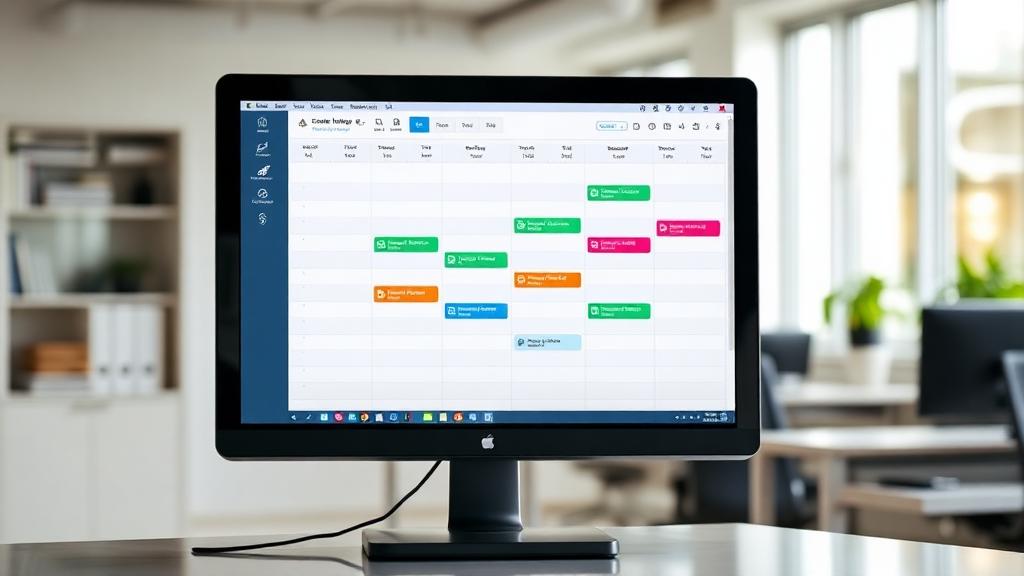
In today's fast-paced field service industry, manual scheduling is quickly becoming a competitive disadvantage. Companies leveraging smart scheduling tools are seeing dramatic improvements in efficiency, customer satisfaction, and profitability.
The Hidden Costs of Manual Scheduling
For many field service businesses, scheduling has traditionally been a manual process involving whiteboards, spreadsheets, and constant phone calls. This approach comes with significant hidden costs:
- Time wasted on administrative scheduling tasks
- Inefficient travel routes leading to higher fuel costs
- Missed appointments due to human error
- Limited visibility into technician availability
- Difficulty accommodating last-minute changes
These inefficiencies can cost the average field service business thousands in lost revenue and unnecessary expenses every month.
How Smart Scheduling Changes the Game
Automated scheduling tools are transforming how field service businesses operate by optimizing resource allocation, reducing travel time, and dramatically improving first-time fix rates. Here's how:
1. Intelligent Resource Allocation
Smart scheduling systems analyze technician skills, certifications, equipment, and availability to automatically match the right person to each job. This ensures that when a customer needs a specialized service, they get a technician who can solve their problem on the first visit.
2. Dynamic Route Optimization
One of the biggest advantages of automated scheduling is route optimization. These systems can:
- Reduce average travel time between jobs by 20-30%
- Group appointments geographically to minimize unnecessary driving
- Account for traffic patterns and road conditions in real-time
- Automatically adjust routes when emergency calls come in
"After implementing Tryoup's smart scheduling system, we reduced our average travel time between jobs by 27%, allowing our technicians to complete one additional job per day on average. That's translated to approximately £8,000 in additional monthly revenue without adding staff."
— Sarah Johnson, Operations Manager, EdgeTech Services
3. Adaptability to Real-World Conditions
Field service operations rarely go exactly as planned. Smart scheduling tools excel at handling the unexpected:
- Automatically rescheduling jobs when emergencies arise
- Finding the closest available technician for urgent calls
- Sending real-time updates to customers when schedules change
- Accounting for jobs that run longer than expected
Real-World Impact: Eliminating Missed Appointments
Missed appointments are costly for both service providers and customers. When a technician arrives late or not at all, it damages customer relationships and often results in lost business.
Smart scheduling significantly reduces missed appointments through:
- Automated appointment reminders for both technicians and customers
- Real-time GPS tracking to monitor technician locations
- Built-in buffer time for unexpected delays
- Proactive alerts when a technician is running behind schedule
Businesses using these systems typically report a 70-90% reduction in missed appointments.
Getting Started with Smart Scheduling
If your business is still using manual scheduling methods, here's how to transition to a smarter approach:
- Audit your current scheduling process to identify pain points
- Define your key scheduling requirements (skill matching, route optimization, etc.)
- Choose a solution that integrates with your existing systems
- Start with a pilot program for a subset of your team
- Use data from the pilot to refine your approach before full rollout
The most successful implementations involve technicians early in the process, as their buy-in is crucial for adoption.
The Future of Field Service Scheduling
Looking ahead, smart scheduling will become even more sophisticated with advances in artificial intelligence and machine learning. Future systems will:
- Predict service needs before customers report issues
- Automatically adjust scheduling parameters based on seasonal patterns
- Factor in individual technician performance metrics
- Optimize scheduling for sustainability and carbon footprint reduction
Businesses that adopt these technologies early will gain a significant competitive advantage in efficiency, customer satisfaction, and profitability.
Ready to transform your scheduling process?
Book a personalized demo to see how Tryoup's smart scheduling tools can help your field service business increase efficiency and customer satisfaction.